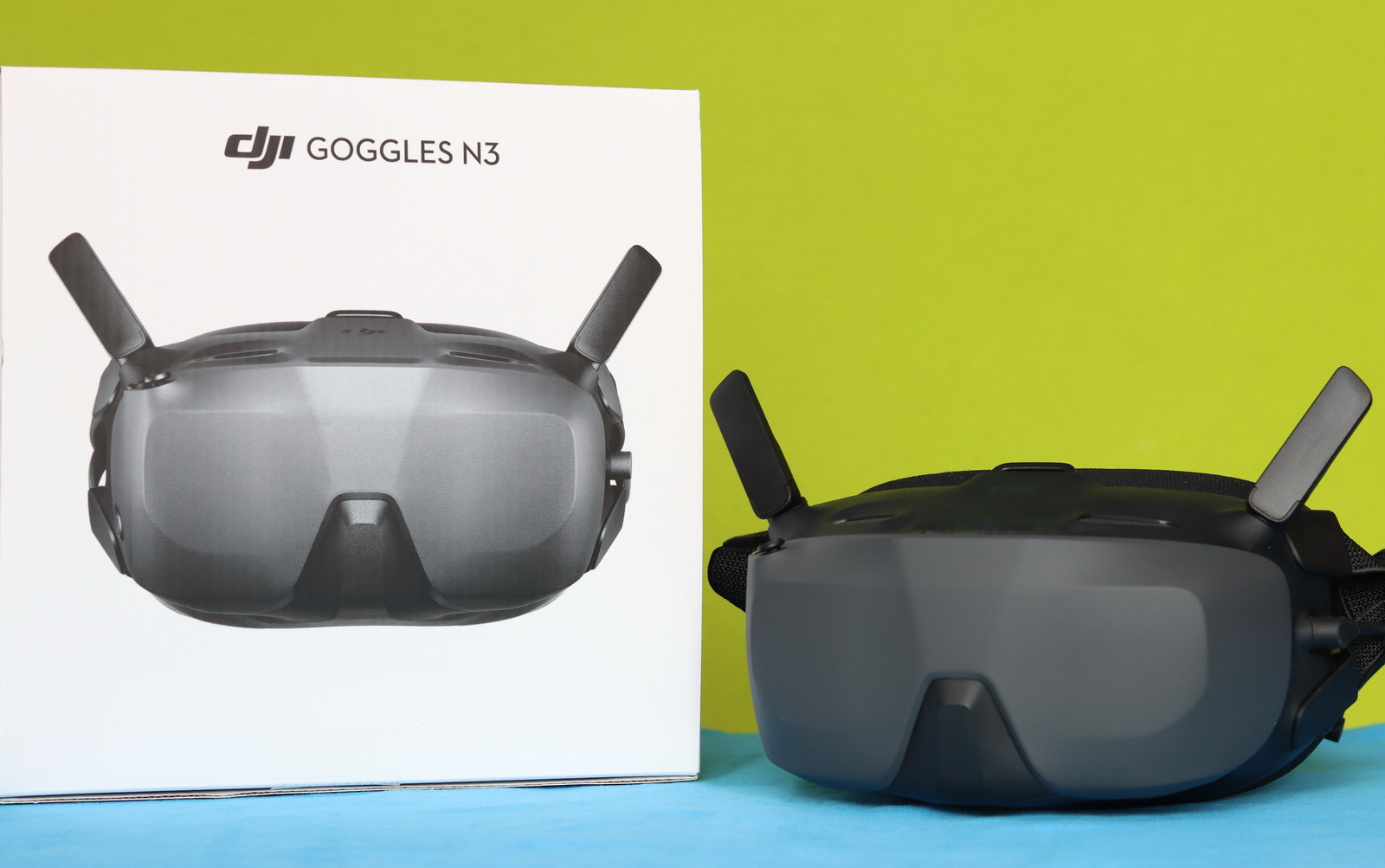
DJI was one of the first companies to challenge the dominance of analog FPV systems by introducing OcuSync HD wireless digital transmission technology, which promised sharper images, improved reliability, and a more immersive flying experience. While many pilots embraced the leap forward in terms of video quality, others remained skeptical, arguing that digital systems introduce additional latency and come at a higher cost than their analog counterparts. With the introduction of the Goggles N3, DJI aimed to make digital FPV more accessible and affordable, bringing the benefits of modern HD technology to a wider audience of FPV enthusiasts.
First, the DJI Goggles N3 was introduced as part of a bundle with the Avata 2 drone and later became available for purchase separately. Its biggest advantage over other digital FPV headsets was its affordability, although the lower price came with a few compromises. DJI simplified the overall design by using a single larger display, removing IPD and diopter adjustment, and moving the battery to an external pack. Another limitation is the lack of backward compatibility with older DJI products, such as the O3 Air Unit.
The Goggles N3 became my third DJI FPV headset, so I approached this review with plenty of real-world experience and a good understanding of how DJI’s lineup has evolved over the years. In this review, I’ll share my personal impressions, compare them with other DJI goggles I’ve owned, and evaluate their performance in everyday flying. The biggest question is whether the significantly lower price justifies the compromises DJI made, and by the end of this review, you’ll have a clear idea of whether the Goggles N3 are the right choice for your needs.
DJI Goggles N3 – An Affordable Gateway to Immersive FPV Flying
Disclosure: DJI provided the DJI Goggles N3 free of charge as part of the Avata 360 Bundle. While it came bundled with the drone, I believe it deserves a separate review due to its features and overall user experience. All opinions expressed in this review are my own.
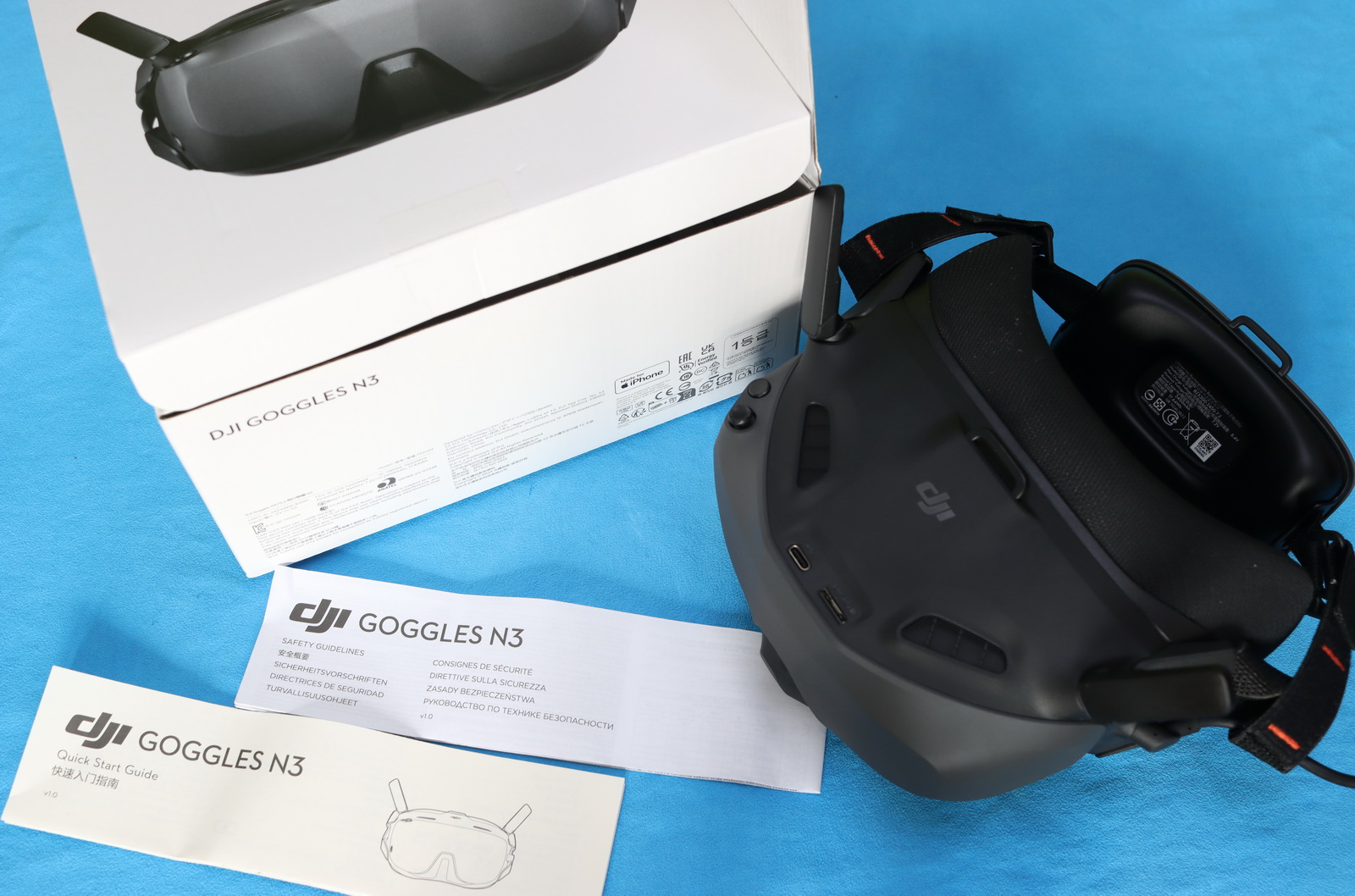
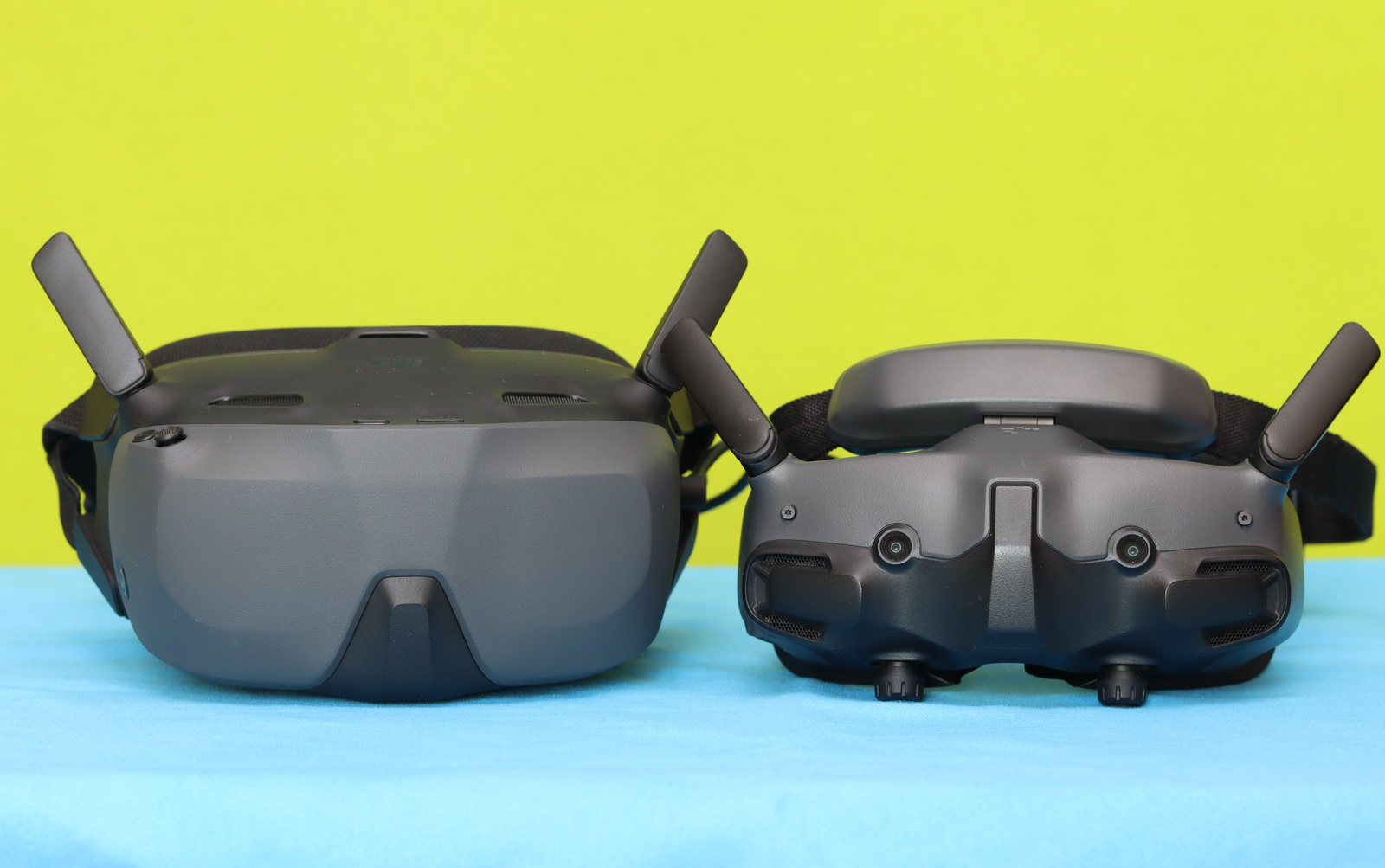
The Goggles N3 comes with a carrying bag, a charging cable, and the usual documentation. The moment I took it out of the package, I immediately recognized its traditional box-style layout, reminiscent of the budget-friendly analog FPV headsets that rely on a single LCD screen. Don’t get me wrong, the N3 feels solid and is made from good quality materials, but when placed next to my Goggles 3, it looks noticeably bulkier and less refined. One difference that stood out right away was the absence of front-facing cameras, which means it lacks the convenient See-Through View feature that I had become accustomed to using on the G3.
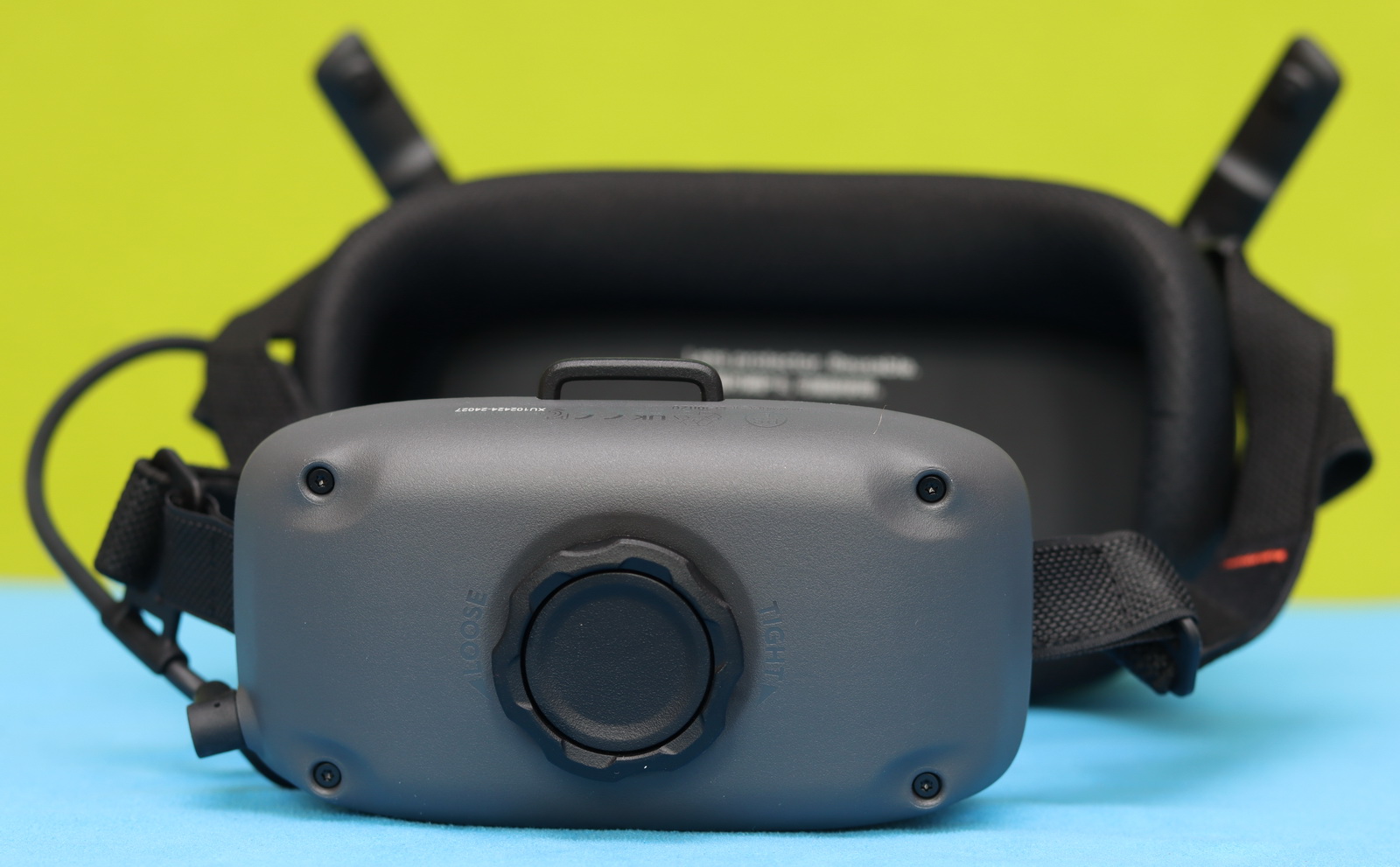
As you can see in the picture above, the battery pack (2450 mAh) is attached to the headband and connects to the goggles via a visible cable. Out of the box, the goggles come with a basic head strap, but one of the first upgrades I would recommend is a T-shaped headband for improved comfort during longer flying sessions. On top, you’ll find two foldable antennas that can be adjusted for transport and optimized signal reception while flying.
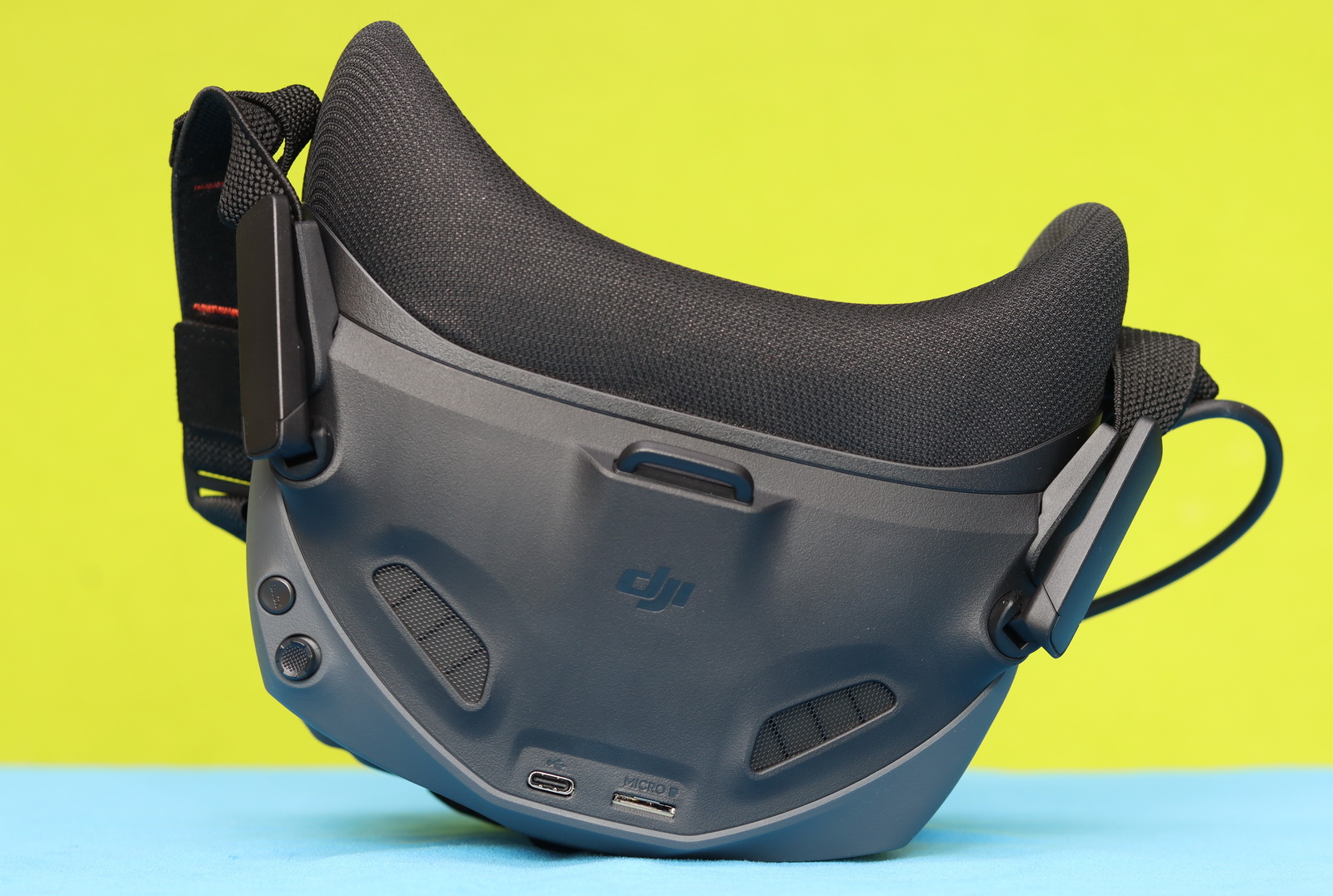
In addition to the power switch on the left side of the unit, there is a 5D mini-joystick and a “Back” button on the top. With these three controls, the N3 goggles can be intuitively operated, even when they are on your head. For firmware upgrades and charging the battery, there is a USB Type-C port near the microSD slot, which allows you to record the remote video feed.
DJI Goggles N3: Real-World Comfort, Glasses Support, and Image Quality
As mentioned before, the Goggles N3 uses a single 3.5-inch LCD screen with a resolution of 1920 × 1080 pixels and a refresh rate of up to 60 Hz. Thanks to this design, no interpupillary distance (IPD) adjustment is required. The foam padding around the face is comfortable and allows the goggles to be used while wearing glasses.
By design, the N3 does not support diopter adjustment, so users with vision impairments will need to wear their prescription glasses while using the headset. Fortunately, the spacious interior provides enough room for most eyeglass frames, making extended flying sessions comfortable even for those who rely on corrective lenses. Using the rotary knob on the back of the battery, you can adjust the length of the headband to make it comfortable and securely fitted. One-tap defogging with an internal fan works well in cold weather, making the screen clear in just seconds.
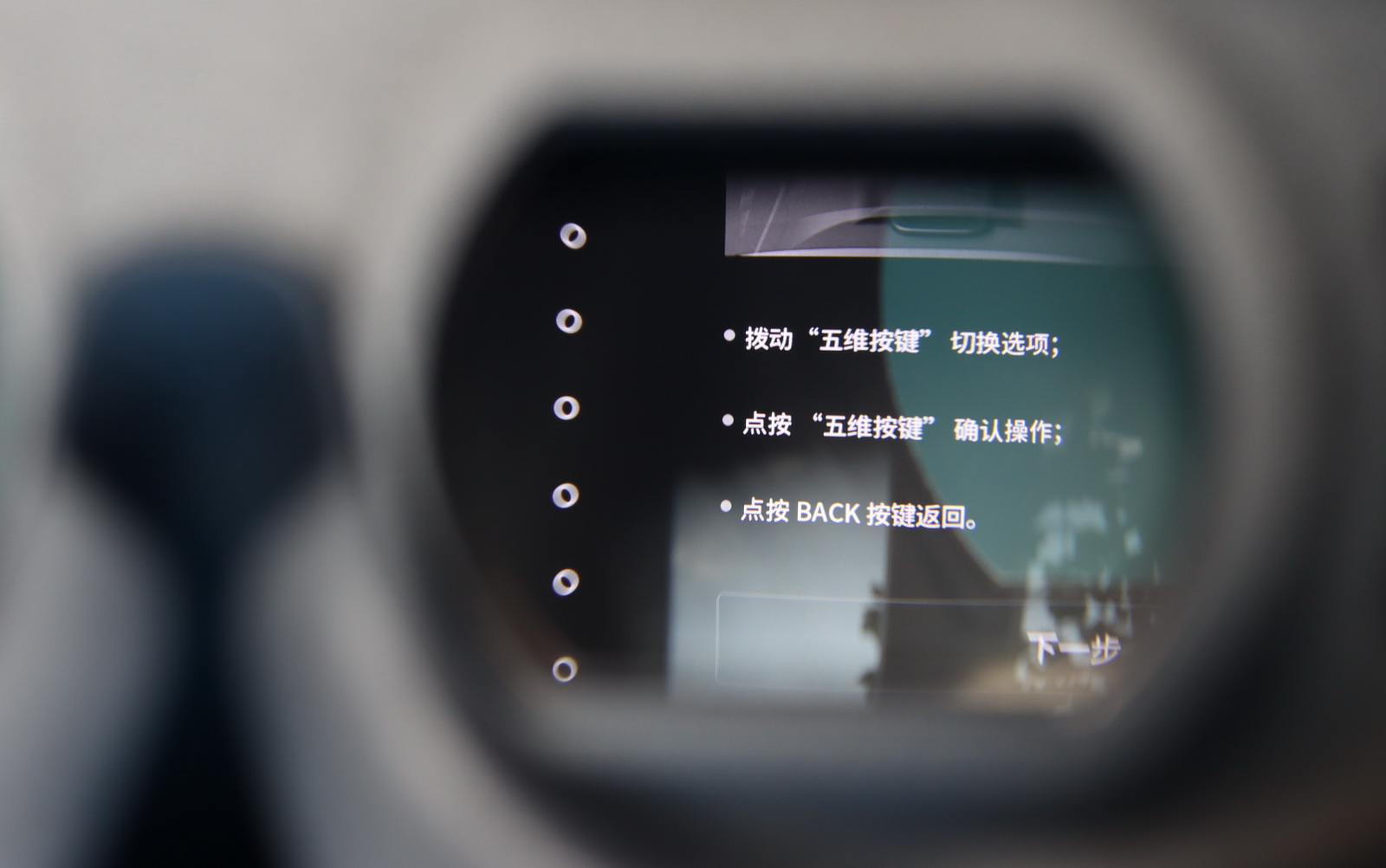
Image quality is superior to any analog counterpart, but I found the image quality on my Goggles 3 much more immersive. I tested them with my DJI Avata 360 drone, and the range was the same as with my existing FPV goggles. According to DJI’s technical specifications, you can expect up to 13 km (FCC) / 10 km (CE/SRRC/MIC) when paired with Avata 2, or 10 km (FCC) / 6 km (CE/SRRC/MIC) when used with the tiny NEO drone.
DJI Goggles N3 compatibility
Featuring the DJI O4 transmission system, the Goggles N3 is compatible with only a limited range of DJI products. As mentioned earlier, they were first introduced alongside the Avata 2 and later bundled with the Avata 360 as well. When it comes to controllers, the N3 can be paired with both the RC Motion 3 and the FPV Remote Controller 3. They can also be used with custom-built FPV drones equipped with the DJI O4 Air Unit.
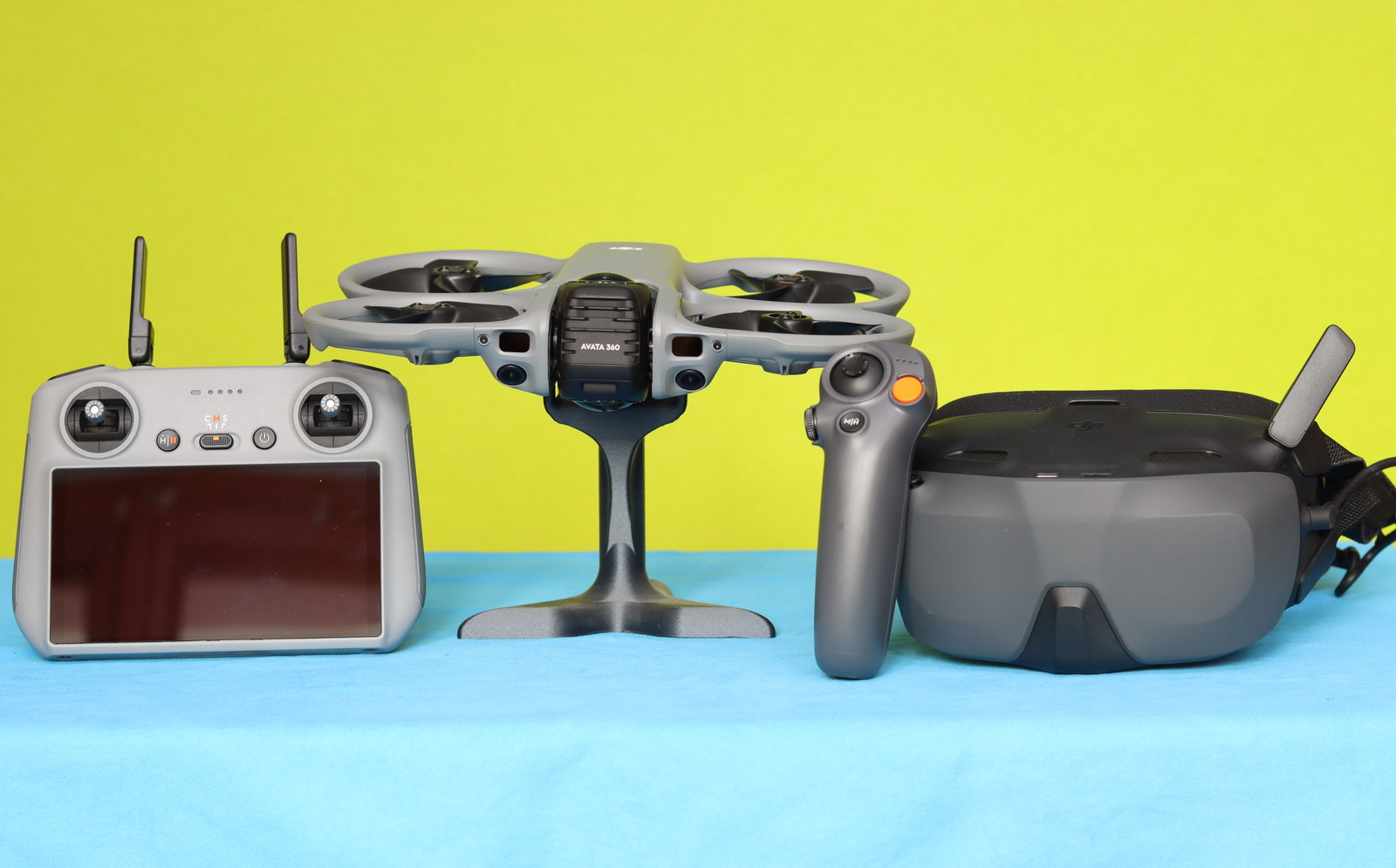
However, compatibility is where some of the compromises become apparent. Unlike the more versatile Goggles 3, the Goggles N3 cannot be used with DJI’s Mini or Air series, nor with most of the company’s consumer camera drones. For pilots already invested in multiple DJI ecosystems, this limited compatibility may be a deciding factor. The table below provides a complete overview of supported and unsupported devices.
| Drone compatibility | |
| Neo | ✅ |
| Neo 2 | ✅ |
| Avata (Gen 1) | ❌ |
| Avata 2 | ✅ |
| Avata 360 | ✅ |
| MINI 3 series | ❌ |
| Mini 4 Pro | ❌ |
| Mini 5 Pro | ❌ |
| Air 3 | ❌ |
| Air 3S | ❌ |
| Flip | ❌ |
| Lito X series | ❌ |
| Air Unit (digital VTX for custom-made FPV drones) | |
| O3 Air Unit | ❌ |
| O4 Air Unit and O4 Air Unit Pro | ✅ |
| Radio controller compatibility | |
| RC Motion 2 | ❌ |
| RC Motion 3 | ✅ |
| FPV Remote Controller 2 | ❌ |
| FPV Remote Controller 3 | ✅ |
DJI Goggles N3 vs Goggles 3: Choosing the Right DJI FPV Goggles
Having owned and flown both the DJI Goggles N3 and the DJI Goggles 3, I can confidently say that the Goggles 3 feel like the more premium product in almost every aspect. The image appears sharper and more vibrant, colors are richer, and the overall viewing experience is noticeably more immersive. The lighter design, improved face padding, and better weight distribution also make long flying sessions more comfortable. Another major advantage is compatibility. The Goggles 3 work with a wider range of DJI drones and camera systems, making them a better long-term investment for pilots who own or plan to own multiple DJI products. Furthermore, the G3 features built-in IPD and diopter adjustments, allowing users to fine-tune the image for maximum comfort and clarity without needing additional corrective lenses.
| Goggles N3 | Goggles 3 | |
| Transmission system | O4 | O4+ |
| Compatibility | Radio: RC Motion 3 and FPV RC 3 Drone&AU: NEO, NEO 2, Avata 2 and O4 AU |
Radio: RC Motion 3, FPV RC 3, RC2 and RC-N2 Drone&AU: NEO, NEO 2, Avata 2, Mini 4 Pro, Air 3S, O3 AU and O4 Au |
| Display | Single 1080p LCD, 60Hz | Dual 1080p Micro-OLED, up to 100Hz |
| Diopter Adjustment | No (designed to fit over glasses) | Yes (-6D to +2D) |
| Battery | External | Integrated into the headband |
| Real View PiP | No | Yes |
| Battery Life | ~2.7 h | ~3 h |
| Weight | 536 g | 470 g |
| Price | $229-$239 | $499 |
| Release date | November 2024 | April 2024 |
That being said, the DJI Goggles N3 shouldn’t be overlooked. One feature I immediately appreciated is the ability to comfortably wear prescription glasses inside the goggles, which can be challenging with more compact FPV headsets. For pilots who rely on glasses, this alone can be a significant advantage. The N3 is also considerably more affordable, making it an attractive entry point into DJI’s FPV ecosystem. While it may not match the premium image quality, comfort, and versatility of the Goggles 3, it delivers a solid flying experience at a much lower price point, offering excellent value for budget-conscious pilots.
You Can Trust Our Reviews!
Since 2014, FirstQuadcopter has reviewed, thoroughly tested, and rated hundreds of products, including drones, gimbals, power stations, action cameras, 3D printers, video lights, and other high-tech gear to help you make better buying decisions.
We don’t do paid reviews or agree to affiliate links. All products are tested fairly and equally, and if anything changes over time, I will update the written reviews.
As always, if you found this review helpful, don’t forget to like, share, comment, and bookmark for more content like this!