
FiMI Palm 2 PRO 2022 pocket 4K gimbal
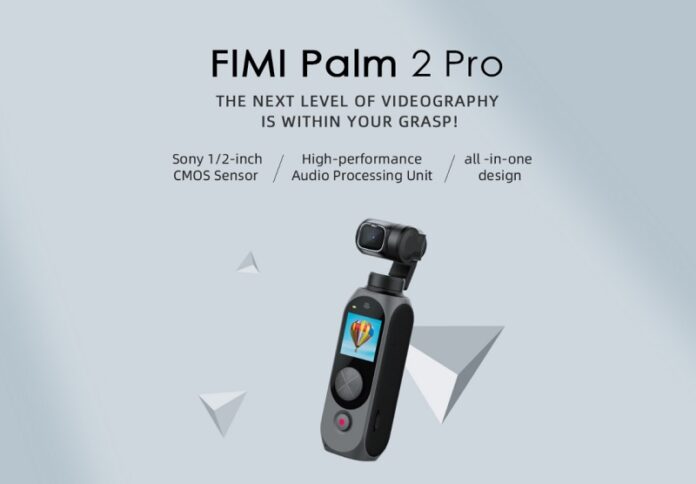
The upcoming FiMI Palm 2 PRO is a third-generation all-in-one 4K camera with a built-in three-axis stabilizer. A follow-up to the FP2, the gimbal...
MOZA AirCross 3 review: The Convertible 4 in 1 Gimbal
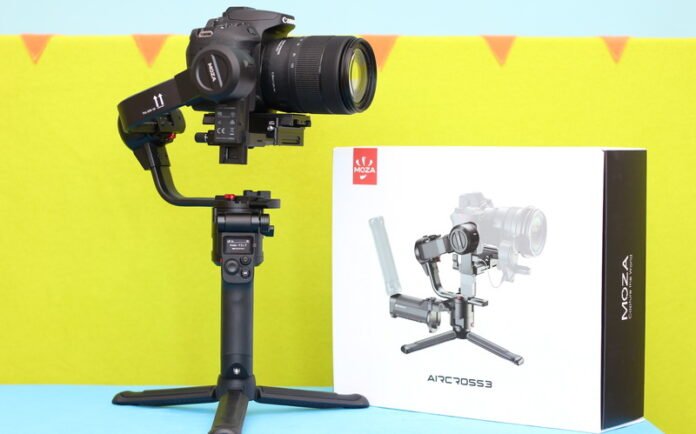
The MOZA AirCross 3 is a convertible 3-axis gimbal designed specifically for professional video-makers using mirrorless and DSLR cameras. Supporting a 3.2kg/7.05lb max payload,...
ZHIYUN Crane M3 review: All-rounder vlogging gimbal
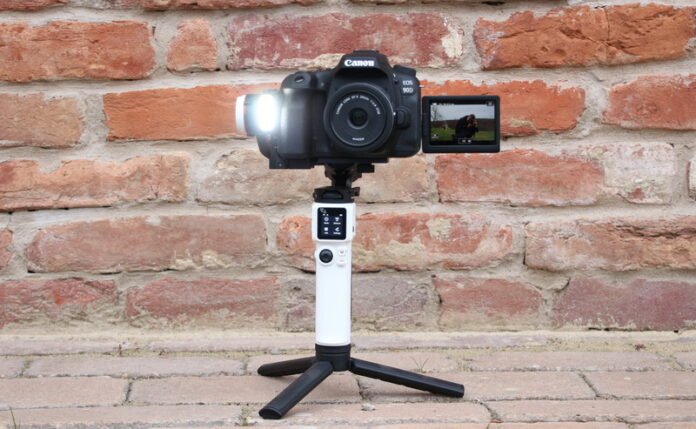
When I read for the first time about the ZHIYUN Crane M3, I decided that this is the gimbal I need. In the last...
ZHIYUN SMOOTH X2 with in-built selfie extension rod
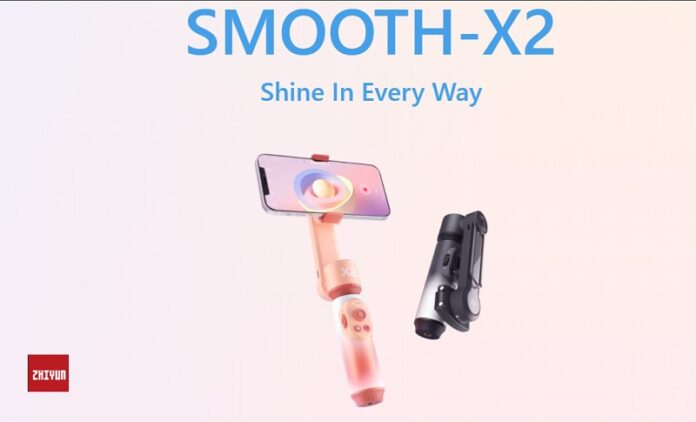
On November 15th, 2021, alongside the SMOOTH 5 gimbal, ZHIYUN announces the SMOOTH X2, a 2-axis smartphone stabilizer with a stylish design. Thanks to...
ZHIYUN SMOOTH 5 gimbal: Film Like A Pro with your phone!
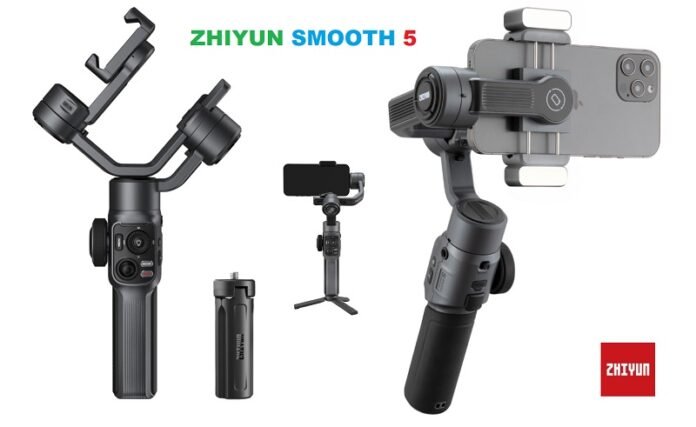
ZHIYUN, the world's leading tech company of professional camera stabilization systems, is proud to announce the release of the SMOOTH 5 phone gimbal. It...
Moza AirCross 3: Foldable and Transformable Gimbal
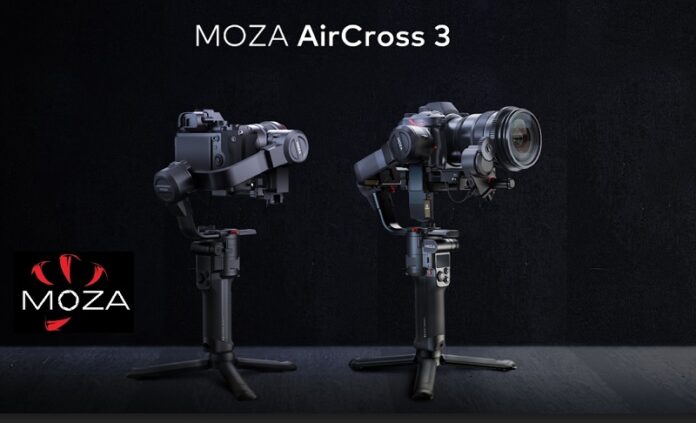
MOZA just revealed their newest member of lightweight and compact gimbal lineup, the
AirCross 3, a lighter and more compact stabilizer for DSLR and mirrorless...
ZHIYUN CRANE M3 : Ultra-Versatile Vlogging Gimbal
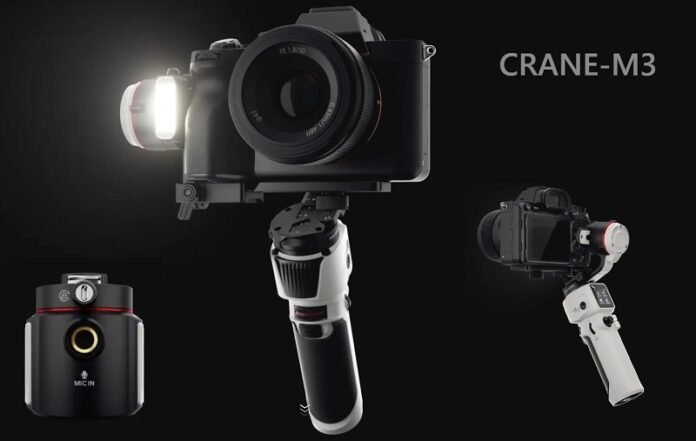
ZHIYUN, the world’s leading gimbal manufacturer for all kinds of cameras introduces the CRANE M3, the latest in the highly-regarded one-handed stabilizer series. Proving...
MOZA Mini MX2 review: Gimbal with auto phone load
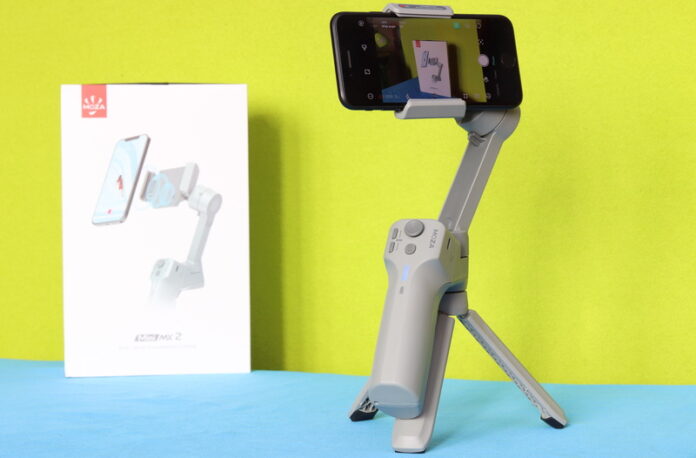
Over the last few years, Gudsen MOZA has steadily improved its smartphone gimbals. The second-generation Mini MX2 continues the trend. It is the first...
MOZA Mini MX2 gimbal: Hands-Free, Mind Free
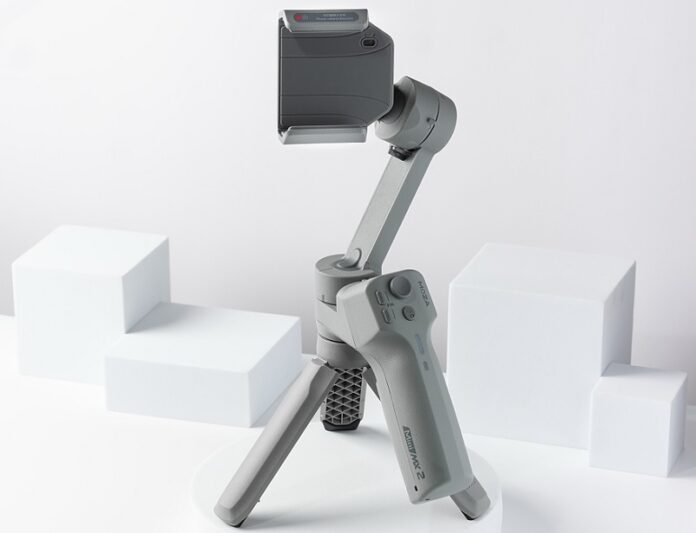
MOZA, an expert in image stabilization systems just announced the launch of the World's
First Auto-sense Smartphone Gimbal - MOZA Mini MX2, the most intelligent...
FEIYU POCKET 2S pocket gimbal: Weird or Handy?
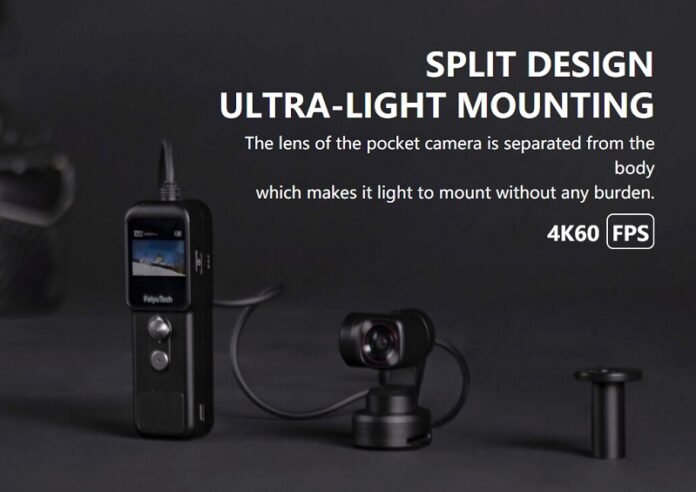
The FEIYU POCKET 2S gimbal's split design looks weird and handy at the same time. Feiyu Pocket 2S is the world's first palm-size gimbal...
Zhiyun Weebill 2 review: Powerhouse gimbal for smooth videos
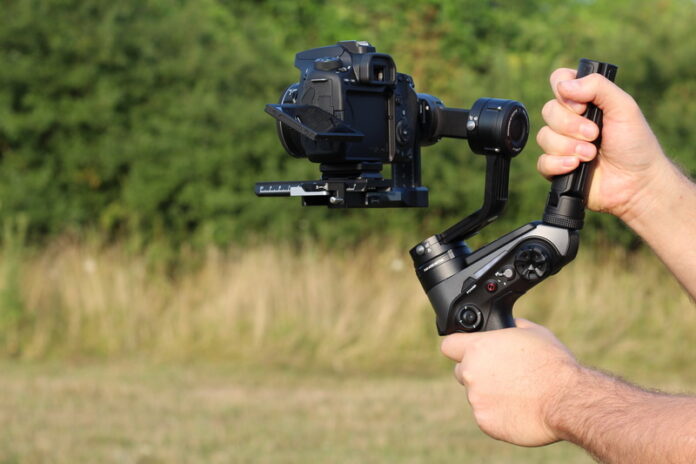
The Weebill 2 is Zhiyun's newest camera stabilization system with a distinguished design and a flip-out color LCD. With 3.3Kg (7.3 lbs) payload, it...